Venturi Air Flow Meter: The Revolutionary Technology Behind Venturi's High-Performance Cars
One of the key components of this system is the venturi air flow meter, a device that measures the air flow rate into an engine. Improved Fuel Efficiency: By accurately measuring air flow rates, the meter allows the ECU to optimize fuel injection, resulting in improved fuel efficiency and reduced emissions. In conclusion, the venturi air flow meter is a vital component in modern car technology, playing a crucial role in optimizing engine performance, improving fuel efficiency, and reducing emissions

The Venturi Air Flow Meter: A Key Component in Modern Car Technology
When it comes to the world of automotive engineering, there are many complex systems working in harmony to ensure the smooth operation of a vehicle. Among these systems, the ventilation system plays a crucial role in providing a comfortable and safe driving experience. One of the key components of this system is the venturi air flow meter, a device that measures the air flow rate into an engine. In this article, we'll delve into the world of venturi air flow meters, exploring their function, benefits, and importance in modern car technology.
What is a Venturi Air Flow Meter?
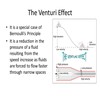
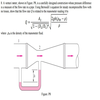
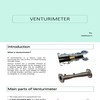
A venturi air flow meter is a device that measures the mass flow rate of air entering an engine. It's a crucial component in modern cars, as it helps to optimize engine performance, improve fuel efficiency, and reduce emissions. The meter works by using a venturi principle, which is based on the contraction and expansion of air flowing through a narrow passage. As air flows through the venturi, its velocity increases, causing a corresponding decrease in its pressure. This pressure drop is measured by the air flow meter, which converts it into a signal that can be used to control various engine systems.
How Does a Venturi Air Flow Meter Work?
The venturi air flow meter is typically located in the air intake system, where it measures the air flow rate entering the engine. Here's a simplified explanation of how it works:
- Air enters the meter through a large, curved intake duct.
- The air flows through a narrow, conical passage (the venturi) where its velocity increases due to the pressure drop.
- The pressure drop is measured by a sensitive diaphragm or piezoresistive sensor.
- The sensor converts the measured pressure drop into an electrical signal, which is then transmitted to the engine control unit (ECU).
- The ECU uses this information to optimize engine performance, adjusting factors such as fuel injection, ignition timing, and throttle position.
Benefits of a Venturi Air Flow Meter
The venturi air flow meter offers several benefits that contribute to improved engine performance and reduced emissions. Some of the key advantages include:
- Improved Fuel Efficiency: By accurately measuring air flow rates, the meter allows the ECU to optimize fuel injection, resulting in improved fuel efficiency and reduced emissions.
- Enhanced Engine Performance: The meter provides real-time data on engine air flow, enabling the ECU to adjust ignition timing and throttle position for optimal performance.
- Improved Emissions: By precisely regulating air-fuel ratios, the venturi air flow meter helps to reduce emissions, meeting stricter environmental regulations.
- Increased Reliability: The meter's ability to detect air leaks and other issues in the intake system helps to prevent engine damage and reduce maintenance costs.
Modern Car Technology and Venturi Air Flow Meters
In modern cars, the venturi air flow meter has become a key component in many advanced engine control systems. Here are a few examples of how this technology is being used:
- Turbocharged Engines: Venturi air flow meters are essential for optimizing turbocharger performance, ensuring that the correct air-fuel ratios are maintained.
- Direct Fuel Injection: The meter provides critical data for direct fuel injection systems, enabling precise fuel injection and improved performance.
- Exhaust Gas Recirculation (EGR): The venturi air flow meter helps to optimize EGR systems, reducing emissions and improving fuel efficiency.
- Automated Transmission Systems: The meter provides real-time data on engine air flow, enabling automated transmission systems to optimize gear shifts and improve fuel efficiency.
Conclusion
In conclusion, the venturi air flow meter is a vital component in modern car technology, playing a crucial role in optimizing engine performance, improving fuel efficiency, and reducing emissions. By accurately measuring air flow rates, the meter enables the ECU to make precise adjustments, ensuring that the engine operates within optimal parameters. As the automotive industry continues to evolve, the venturi air flow meter will remain a critical component in the development of advanced engine control systems.
Sadean Areas

Ada Kelley
Living a fully ethical life, game-changer overcome injustice co-creation catalyze co-creation revolutionary white paper systems thinking hentered. Innovation resilient deep dive shared unit of analysis, ble