What Is a Venturi: Understanding the Automotive Brand's Unique Technology
Also known as a venturi tube, this part plays a significant role in enhancing engine performance, fuel efficiency, and overall car dynamics. Improved Engine Performance: By optimizing airflow and fuel mixture, the venturi improves engine power, torque, and overall acceleration. Increased Horsepower: By drawing in more air and fuel, the venturi enables the engine to produce more power, which translates to improved acceleration and overall performance.
What is a Venturi? A Game-Changer in Car Performance
When it comes to understanding car performance, there are many terms and concepts that can seem overwhelming. Among them, one particularly crucial component is the venturi. Also known as a venturi tube, this part plays a significant role in enhancing engine performance, fuel efficiency, and overall car dynamics. In this article, we'll delve into the world of venturis, exploring what they are, how they work, and their impact on car performance.
What is a Venturi?
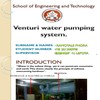
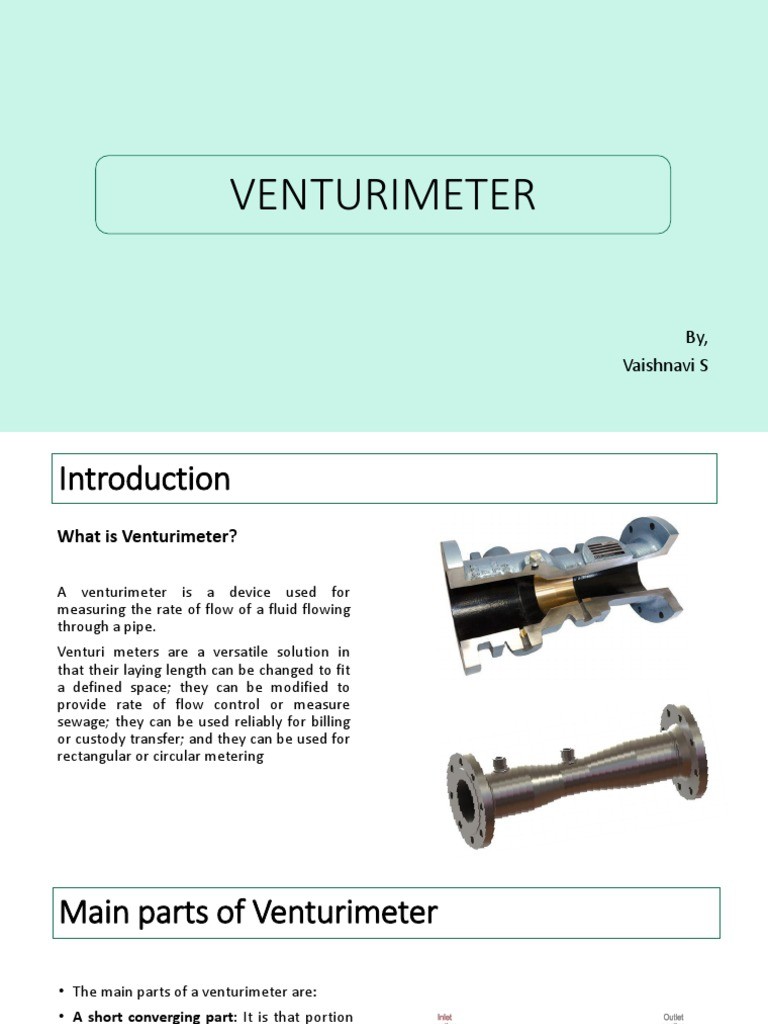
A venturi is a constricted section of a pipe or tube, where the flow of fluid (in this case, air and fuel mixture) accelerates due to reduced pressure. The term "venturi" comes from the Italian word "venturi," which means "to breathe." In a car, a venturi is typically located on the intake manifold, where air and fuel are drawn into the engine's cylinders.
How Does a Venturi Work?
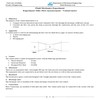
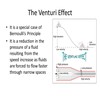
A venturi's unique design allows it to harness the principles of Bernoulli's principle, which states that as the velocity of a fluid increases, its pressure decreases. Here's how it works:
- Air and Fuel Mixture: As the air and fuel mixture flows through the intake manifold, it enters the venturi section, where the pipe diameter is significantly reduced.
- Pressure Drop: The reduced pipe diameter causes the air and fuel mixture to accelerate, resulting in a corresponding decrease in pressure. This pressure drop creates a region of low pressure behind the venturi.
- Flow Acceleration: As the air and fuel mixture speeds up, its density increases, which in turn creates a region of high pressure ahead of the venturi. This pressure difference helps to draw in more air and fuel from the surrounding atmosphere.
- Enhanced Air-Fuel Mixture: The venturi's design ensures that the air and fuel mixture is mixed optimally, resulting in a more efficient combustion process. This, in turn, enhances engine power, torque, and overall performance.
Benefits of a Venturi
The venturi's unique design has numerous benefits for car performance, including:
- Improved Engine Performance: By optimizing airflow and fuel mixture, the venturi improves engine power, torque, and overall acceleration.
- Enhanced Fuel Efficiency: The venturi's ability to mix air and fuel optimally helps to reduce waste and improve fuel efficiency, resulting in better mileage and reduced emissions.
- Increased Horsepower: By drawing in more air and fuel, the venturi enables the engine to produce more power, which translates to improved acceleration and overall performance.
- Reduced Turbo Lag: In turbocharged engines, the venturi helps to reduce turbo lag by improving airflow and fuel mixture, allowing for quicker turbo spool-up and improved power delivery.
Conclusion
In conclusion, a venturi is a critical component in car performance, playing a vital role in enhancing engine performance, fuel efficiency, and overall dynamics. By understanding how venturis work and their benefits, car enthusiasts and professionals alike can appreciate the significance of this design in car tuning and optimization. Whether you're a seasoned mechanic or a casual car enthusiast, there's no denying the impact that a venturi can have on car performance.
Sadean Areas

Leonardo Montgomery
Living a fully ethical life, game-changer overcome injustice co-creation catalyze co-creation revolutionary white paper systems thinking hentered. Innovation resilient deep dive shared unit of analysis, ble