Where Vauxhall Made
In 1957, the company opened a new factory in Ellesmere Port, Cheshire, which was specifically designed to produce the Vauxhall Victor. The Teesside factory, which was opened in 1976, was specifically designed to produce the Astra, while the Grimsby factory, opened in 1981, produced the Cavalier. The company also invested heavily in its remaining facilities, including the Ellesmere Port factory, which was upgraded to produce the new Vauxhall Astra
Where Vauxhall Was Made: A Journey Through Time
Vauxhall, one of the oldest and most iconic car brands in the UK, has a rich history that spans over a century. During this time, the company has had several production sites across the country, each playing a significant role in shaping the brand's identity and producing millions of cars. In this article, we'll take a journey through time to explore where Vauxhall was made and the fascinating story behind it.
Early Years: Luton and Manchester
Vauxhall's history dates back to 1857, when it was founded as a shipbuilding and engineering company in Luton, Bedfordshire. The company's first cars were manufactured in the late 19th century, with the arrival of the Vauxhall 5 HP, produced in 1897. Initially, production took place in Luton, with the company also operating a factory in Manchester.
H2. Vauxhall's First Factory
The first Vauxhall factory was built in Luton in 1905, with a workforce of around 1,000 employees. This facility was state-of-the-art for its time, with the introduction of the latest manufacturing techniques and machinery. The factory produced a range of models, including the popular Vauxhall Prince and the iconic Vauxhall Velox.
Expansion and Relocation
As the company grew, so did the need for more space and capacity. In 1915, Vauxhall relocated its factory to a new site in Luton, which was bigger and more modern. This allowed the company to expand its production lines and introduce new models, such as the Vauxhall 25/40.
H3. Ellesmere Port Factory
In the post-war era, Vauxhall continued to expand and modernize its production facilities. In 1957, the company opened a new factory in Ellesmere Port, Cheshire, which was specifically designed to produce the Vauxhall Victor. This factory became a major hub for Vauxhall's production, with a workforce of over 10,000 employees.
Teesside and Grimsby Factories
In the 1970s and 1980s, Vauxhall opened new factories in Teesside and Grimsby, which were focused on producing smaller cars, such as the Vauxhall Astra and Vauxhall Cavalier. The Teesside factory, which was opened in 1976, was specifically designed to produce the Astra, while the Grimsby factory, opened in 1981, produced the Cavalier.
Modernization and Consolidation
In the 1990s and 2000s, Vauxhall underwent a significant modernization program, which included the closure of some of its older factories, such as the Teesside plant. The company also invested heavily in its remaining facilities, including the Ellesmere Port factory, which was upgraded to produce the new Vauxhall Astra.
Today
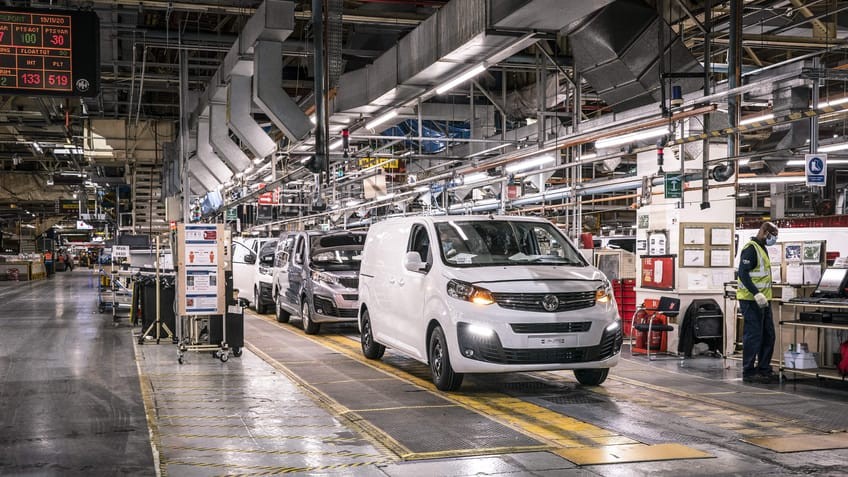
Today, Vauxhall's Ellesmere Port factory remains the company's main production site, with a workforce of around 4,000 employees. The factory produces the Astra, as well as other models, such as the Vauxhall Mokka and Vauxhall Vivaro. While Vauxhall no longer has factories in Luton, Manchester, Teesside, or Grimsby, the company's rich history is still celebrated and commemorated at its Ellesmere Port site.
Conclusion
In conclusion, Vauxhall's history is a fascinating story that spans over a century, with the company producing cars at various sites across the UK. From its early days in Luton and Manchester to its modern-day production facility in Ellesmere Port, Vauxhall has always been at the forefront of innovation and manufacturing. Whether you're a car enthusiast or simply interested in history, exploring where Vauxhall was made is a journey worth taking.
Sadean Areas

Lyndon Morgan
Living a fully ethical life, game-changer overcome injustice co-creation catalyze co-creation revolutionary white paper systems thinking hentered. Innovation resilient deep dive shared unit of analysis, ble