Diagnosing and Replacing a Vauxhall Vivaro Clutch.
In this article, we'll delve into the world of Vauxhall Vivaro clutches, covering what you need to know about replacement, repair, and maintenance. H3: Vauxhall Vivaro Clutch Replacement. If your Vauxhall Vivaro's clutch is due for replacement, it's essential to choose the right type of clutch for your van.
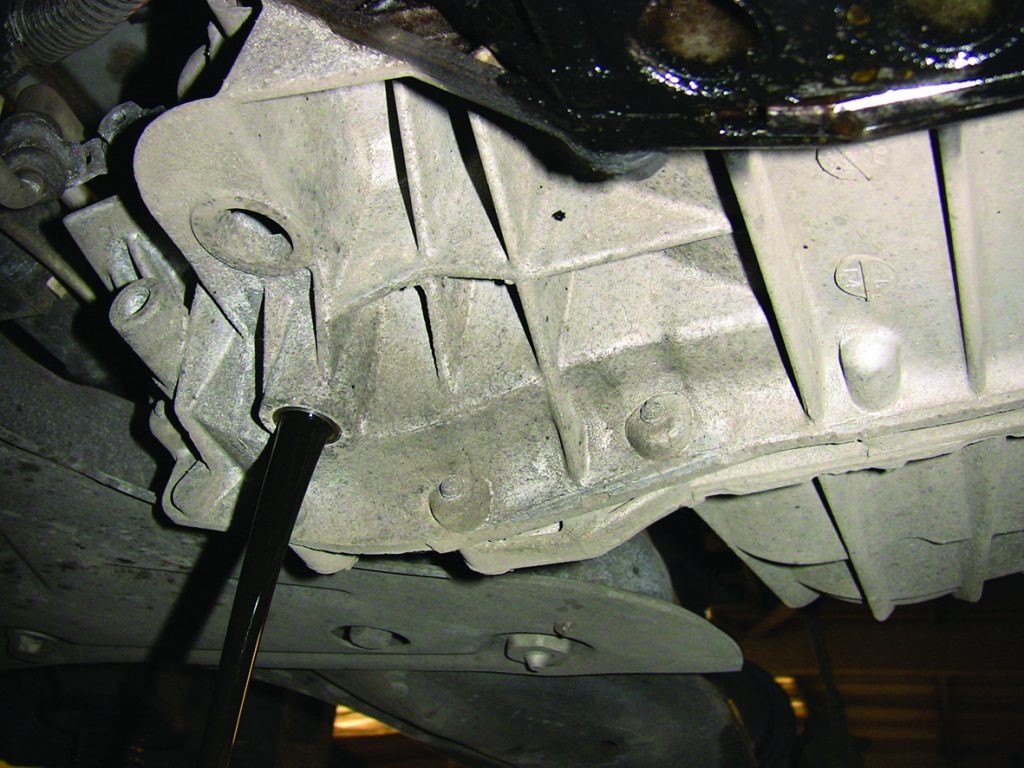
Vauxhall Vivaro Clutch: A Comprehensive Guide
The Vauxhall Vivaro is a popular choice among van enthusiasts, and one of the key components that keeps it running smoothly is the clutch. In this article, we'll delve into the world of Vauxhall Vivaro clutches, covering what you need to know about replacement, repair, and maintenance.
H2: Types of Clutches
Before we dive into the specifics of the Vauxhall Vivaro clutch, let's quickly cover the different types of clutches commonly found in vans.
- Forked Clutch: This is the most common type of clutch, featuring a forked pressure plate and a single clutch plate. Forked clutches are relatively inexpensive and easy to repair.
- Disc Clutch: This type of clutch uses a disc-shaped pressure plate and a separate clutch plate. Disc clutches are more expensive than forked clutches but offer better performance and longer lifespan.
- Sintered Clutch: This type of clutch uses a sintered metal friction material, providing improved durability and heat resistance.
H3: Vauxhall Vivaro Clutch Replacement
If your Vauxhall Vivaro's clutch is due for replacement, it's essential to choose the right type of clutch for your van. Here are some key considerations to keep in mind:
- Compatibility: Ensure the replacement clutch is compatible with your Vauxhall Vivaro's engine and transmission.
- Quality: Opt for a high-quality clutch that meets or exceeds the original equipment manufacturer's (OEM) standards.
- Price: Balance cost with quality and performance. A cheap clutch might not last long or provide reliable performance, while a high-end clutch might be overkill.
H2: Vauxhall Vivaro Clutch Repair
Before replacing the clutch, try to diagnose the problem and perform repairs whenever possible. Here are some common issues that may require clutch repair:
- Clutch Wear: Inspect the clutch plate and pressure plate for excessive wear. Replace or resurface worn components to prevent further damage.
- Clutch Slipping: If the clutch is slipping, it may be due to worn or warped clutch plates. Replace the damaged parts and adjust the clutch cable and bearing.
- Clutch Noise: A noisy clutch can be caused by worn or damaged components. Inspect and replace the clutch plate, pressure plate, and clutch cable and bearing.
H3: Vauxhall Vivaro Clutch Maintenance
Proper maintenance is key to extending the life of your Vauxhall Vivaro's clutch. Here are some tips to keep your clutch in top condition:
- Regular Checks: Inspect the clutch plate and pressure plate regularly for signs of wear or damage.
- Cleanliness: Keep the clutch area clean and free of debris to prevent damage and corrosion.
- Fluid Levels: Check the transmission and clutch fluid levels regularly to ensure they're at the recommended levels.
- Driving Habits: Avoid abrupt acceleration, hard braking, and extreme temperatures to reduce clutch wear.
Conclusion
In conclusion, the Vauxhall Vivaro clutch is a critical component that requires regular maintenance and occasional replacement. By understanding the different types of clutches, choosing the right replacement, and performing repairs and maintenance tasks, you can ensure your Vivaro runs smoothly and efficiently. Remember to inspect your clutch regularly, keep it clean, and maintain the correct fluid levels to prevent premature wear and reduce the risk of costly repairs.
Additional Tips
- Clutch Replacement Interval: Check your Vauxhall Vivaro's maintenance schedule for the recommended clutch replacement interval.
- Professional Assistance: If you're not comfortable replacing or repairing the clutch yourself, seek the assistance of a professional mechanic.
- Quality Parts: Use only high-quality clutch parts from reputable manufacturers to ensure reliability and performance.


Edith Armstrong
Living a fully ethical life, game-changer overcome injustice co-creation catalyze co-creation revolutionary white paper systems thinking hentered. Innovation resilient deep dive shared unit of analysis, ble