Unearthing the Hidden Cargo Potential of the Vauxhall Vectra Van
The Vauxhall Vectra Van was available with a range of engine options, including petrol and diesel units. The Vauxhall Vectra Van was available with a range of transmission options, including: The Vauxhall Vectra Van was a reliable and versatile light commercial vehicle that offered a range of engine options, transmission choices, and customizations to suit various needs
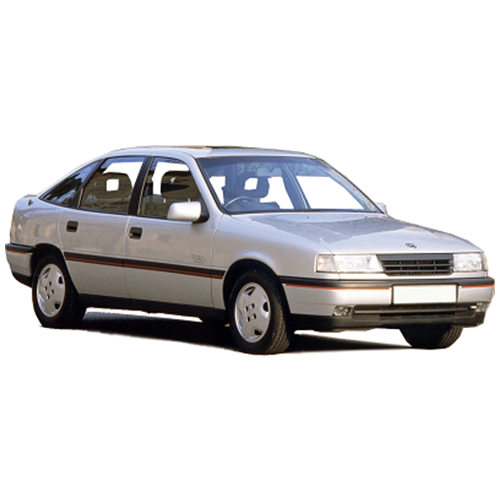
Vauxhall Vectra Van: A Reliable and Versatile Choice for Your Business
H2. Overview
The Vauxhall Vectra Van is a range of light commercial vehicles produced by Vauxhall, a British automaker, between 1995 and 2002. The Vectra Van was part of a larger lineup of Vauxhall vehicles, which also included passenger cars and larger commercial vehicles. The van was designed to provide a reliable and versatile option for businesses of all sizes, offering a range of engine options, transmission choices, and customizations to suit various needs.
H3. History
The Vauxhall Vectra Van was first introduced in 1995, as a replacement for the previous Vauxhall Astravan model. The new van was based on the latest Vauxhall Astra passenger car platform, but with a truncated rear section to accommodate the cargo area. Over the years, the Vectra Van underwent several facelifts and updates, with new engine options, transmission choices, and interior and exterior design tweaks.
H4. Engine Options
The Vauxhall Vectra Van was available with a range of engine options, including petrol and diesel units. The petrol engines used in the Vectra Van included:
- 1.8-liter inline-four engine, producing 90 horsepower (66 kW)
- 2.0-liter inline-four engine, producing 100 horsepower (74 kW)
- 2.0-liter turbocharged inline-four engine, producing 150 horsepower (110 kW)
The diesel engines used in the Vectra Van included:
- 1.7-liter turbodiesel inline-four engine, producing 80 horsepower (59 kW)
- 2.0-liter turbodiesel inline-four engine, producing 100 horsepower (74 kW)
H5. Transmission Choices
The Vauxhall Vectra Van was available with a range of transmission options, including:
- Five-speed manual transmission
- Four-speed automatic transmission
- Five-speed semi-automatic transmission
H6. Dimensions
The Vauxhall Vectra Van dimensions were as follows:
- Length: 4,680 mm (184.7 in)
- Width: 1,840 mm (72.4 in)
- Height: 1,770 mm (69.7 in)
- Wheelbase: 2,650 mm (104.3 in)
H7. Capacities
The Vauxhall Vectra Van had a maximum cargo capacity of around 1,100 kg (2,425 lbs), depending on the engine and transmission combination. The van also had a maximum towing capacity of around 750 kg (1,653 lbs).
H8. Features and Customizations
The Vauxhall Vectra Van offered a range of standard and optional features to cater to various needs. Some of the notable features included:
- Air conditioning
- Central locking
- Immobilizer
- Tilt-adjustable steering column
- Remote keyless entry
- Trunk lighting
- Cruise control
- Traction control
- ABS brakes
The Vectra Van was also available with a range of customizations, including:
- Roof-mounted shelves
- Seat covers
- Floor mats
- Load lashing points
- Shelving systems
H9. Fuel Economy
The fuel economy of the Vauxhall Vectra Van varied depending on the engine and transmission combination. However, here are some approximate fuel consumption ratings:
- 1.8-liter petrol engine: around 24-30 mpg (9.8-12.4 km/l)
- 2.0-liter petrol engine: around 22-28 mpg (9.4-12.2 km/l)
- 1.7-liter diesel engine: around 25-35 mpg (10.4-14.7 km/l)
- 2.0-liter diesel engine: around 22-30 mpg (9.4-12.4 km/l)
H10. Conclusion
The Vauxhall Vectra Van was a reliable and versatile light commercial vehicle that offered a range of engine options, transmission choices, and customizations to suit various needs. Despite being discontinued in 2002, the Vectra Van remains a popular choice for businesses and individuals who require a practical and efficient van for their daily operations.
Sadean Areas

Melanie West
Living a fully ethical life, game-changer overcome injustice co-creation catalyze co-creation revolutionary white paper systems thinking hentered. Innovation resilient deep dive shared unit of analysis, ble