Interpreting Vauxhall OBD Codes for Optimal Vehicle Performance
In this article, we'll delve into the world of Vauxhall OBD codes, exploring what they are, how they work, and how you can use them to diagnose common issues with your Vauxhall vehicle? Vauxhall OBD codes are a valuable diagnostic tool, providing essential information to help identify and repair issues with your Vauxhall vehicle By understanding how OBD codes work, how to read them, and interpreting common codes, you can diagnose and repair common problems with your vehicle
Vauxhall OBD Codes: A Comprehensive Guide to Diagnosing Vehicle Issues
As a car owner, there's nothing more frustrating than encountering unexpected problems with your vehicle. Whether it's a malfunctioning sensor, a faulty transmission, or a mixture of both, diagnosing the issue can be a daunting task, especially for those without technical expertise. Fortunately, modern cars, including Vauxhall vehicles, come equipped with onboard diagnostics (OBD) systems that can help identify the problem. In this article, we'll delve into the world of Vauxhall OBD codes, exploring what they are, how they work, and how you can use them to diagnose common issues with your Vauxhall vehicle.
What are OBD Codes?
Onboard diagnostics (OBD) systems were introduced in the 1980s to support the testing of vehicle emissions. Over the years, OBD has evolved to become a sophisticated diagnostic tool, capable of detecting a wide range of issues with a vehicle's performance, fuel efficiency, and safety features. OBD codes, also known as trouble codes, are a set of error messages generated by the vehicle's computer system. These codes are used to communicate potential problems to the driver, providing valuable information that can be used to diagnose and repair the issue.
How do OBD Codes Work?
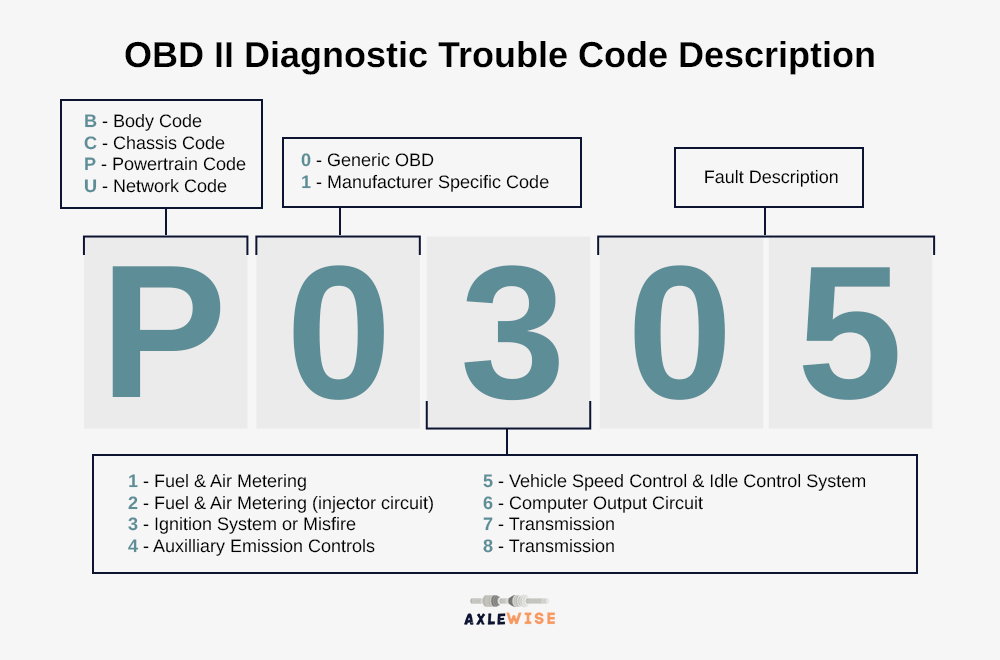
When a fault occurs in a Vauxhall vehicle, the onboard computer system generates an OBD code, which is stored in the vehicle's memory. The code is composed of a five-digit hex code, which corresponds to a specific issue or malfunction. The code is then transmitted to the driver through various warning lights and symbols on the dashboard, such as the malfunction indicator lamp (MIL).
Reading Vauxhall OBD Codes
To read Vauxhall OBD codes, you'll need a scan tool, which can be connected to the vehicle's OBD port. Modern scan tools can interpret the code and provide a descriptive explanation of the issue. Here are some common ways to read Vauxhall OBD codes:
- Vauxhall OBD Diagnostic Tool: Vauxhall offers a range of diagnostic tools that can be purchased from authorized dealerships or online retailers. These tools are specifically designed to work with Vauxhall vehicles and provide accurate diagnoses.
- Generic Scan Tools: Generic scan tools, such as those from Autel, Launch, or OBDLink, can also be used to read Vauxhall OBD codes. While these tools may not provide detailed information on Vauxhall-specific issues, they can still help diagnose generic problems.
Common Vauxhall OBD Codes
Here are some common Vauxhall OBD codes and their corresponding issue descriptions:
- P0700: Transmission fault (e.g., faulty transmission sensor, broken transmission solenoid)
- P0441: Evaporative emission control system fault (e.g., clogged evaporative emissions vent, faulty pressure sensor)
- P0301: Misfire detected in cylinder 1 (e.g., faulty spark plug, clogged fuel injector)
- P0602: Processor fault (e.g., faulty engine control unit, programming error)
- B0995: ABS brake system fault (e.g., faulty ABS sensor, faulty ABS pump)
Interpreting Vauxhall OBD Codes
When reading Vauxhall OBD codes, it's essential to follow these steps:
- Identify the code: Record the code and check the Vauxhall OBD guide or online resources for a detailed description of the issue.
- Locate the problem: Use the code description to identify the potential source of the problem. Consult the vehicle's repair manual or seek the assistance of a professional mechanic if necessary.
- Test and repair: Perform tests and repairs as outlined in the repair manual or by a professional mechanic. Ensure that all wiring and connections are secure before re-testing the system.
Conclusion
Vauxhall OBD codes are a valuable diagnostic tool, providing essential information to help identify and repair issues with your Vauxhall vehicle. By understanding how OBD codes work, how to read them, and interpreting common codes, you can diagnose and repair common problems with your vehicle. Remember to always follow proper diagnostic procedures and seek professional assistance when necessary.
Sadean Areas

Andrew Carroll
Living a fully ethical life, game-changer overcome injustice co-creation catalyze co-creation revolutionary white paper systems thinking hentered. Innovation resilient deep dive shared unit of analysis, ble