Uncovering the Evolution: Vauxhall Logo History
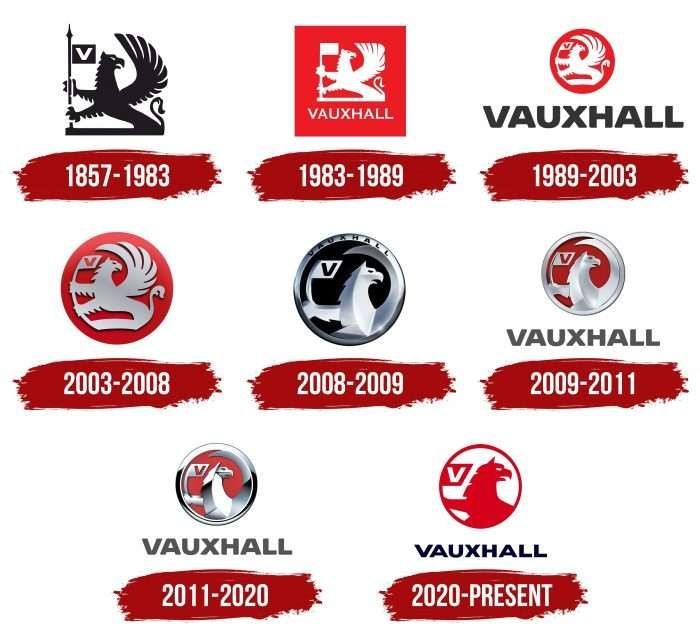
With its rich history and heritage, the Vauxhall logo has undergone several transformations, reflecting the brand's evolution and commitment to quality and innovation. In this article, we will delve into the history of the Vauxhall logo, its design, advantages, disadvantages, and how to maintain its quality from an aesthetic aspect. Over the years, the Vauxhall logo has undergone several design changes, reflecting the brand's growth and transformation.
Vauxhall Logo History: A Symbol of Excellence in the Automotive Industry
The Vauxhall logo, also known as the Griffin, has been a staple of the British automotive industry for over a century. With its rich history and heritage, the Vauxhall logo has undergone several transformations, reflecting the brand's evolution and commitment to quality and innovation. In this article, we will delve into the history of the Vauxhall logo, its design, advantages, disadvantages, and how to maintain its quality from an aesthetic aspect.
Early Years and the Birth of the Griffin
The Vauxhall logo, in its current form, was first introduced in the early 20th century. The story begins in 1857, when Andrew Larsen, a Norwegian entrepreneur, founded the Vauxhall Iron Works in Manchester, England. The company began producing horse-drawn carriages and machinery, but it wasn't until the late 1800s that they started manufacturing automobiles. In 1903, Vauxhall Motors was officially established, and the Griffin logo began to take shape.
The Griffin, a mythical creature with the body of a lion and the wings of an eagle, was chosen as the logo because of its symbolization of strength, protection, and speed. The logo's design was influenced by the city of London's coat of arms, which featured a Griffin, and the company's founding in the heart of England.
Logo Evolution and Design Changes
Over the years, the Vauxhall logo has undergone several design changes, reflecting the brand's growth and transformation. In the 1920s, the Griffin logo was simplified, and the wings were removed, leaving only the mythical creature's body and head. This design change was made to emphasize the company's focus on engineering and manufacturing excellence.
In the 1960s, Vauxhall introduced a more modern and stylized Griffin logo, featuring a bold, angular design. This design change was intended to appeal to a younger audience and reflect the brand's commitment to innovation and technology.
Advantages of the Vauxhall Logo
The Vauxhall logo has several advantages that have contributed to its enduring popularity:
- Heritage and History: The Griffin logo is deeply rooted in British history and culture, evoking a sense of tradition and legacy.
- Recognition: The logo is instantly recognizable, making it easy for potential customers to identify the brand.
- Distinctiveness: The Griffin design sets Vauxhall apart from other automotive brands, creating a unique visual identity.
- Emotional Connection: The logo's symbolism of strength, protection, and speed creates an emotional connection with customers, fostering loyalty and brand affinity.
Disadvantages of the Vauxhall Logo
Despite its advantages, the Vauxhall logo also has some disadvantages:
- Limited Appeal: The logo's classic design may not appeal to younger, more design-conscious consumers who prefer more contemporary and edgy designs.
- Perceived Lack of Sophistication: Some critics argue that the Griffin logo is too traditional and conservative, failing to convey a sense of modernity and technological prowess.
- Licensing and Partnership Challenges: The logo's unique design can make it challenging for Vauxhall to partner with other brands or license its logo for use on non-automotive products.
Caring for the Vauxhall Logo: Aesthetic Maintenance
To maintain the quality and aesthetic appeal of the Vauxhall logo, the following tips are essential:
- Proper Display: Ensure that the logo is displayed prominently on the vehicle, using high-quality, durable materials to prevent fading or damage.
- Cleaning: Regularly clean the logo to prevent dirt and grime buildup, using a soft cloth and mild soap solution.
- Protection: Apply a protective clear coat or wax to the logo to prevent damage from UV rays, road debris, or other environmental factors.
- Design Consistency: Ensure consistency in the logo's design and color scheme across all Vauxhall products, marketing materials, and branding.
Conclusion
The Vauxhall logo, with its rich history and heritage, is an iconic symbol of excellence in the automotive industry. Its design, though classical, has undergone changes to reflect the brand's evolution and commitment to quality and innovation. While the logo has its advantages and disadvantages, its unique symbolism and recognition make it an integral part of the brand's identity. By following the tips for aesthetic maintenance, Vauxhall enthusiasts can ensure that the logo remains durable, attractive, and a source of pride for generations to come.
Sadean Areas

Julian Warren
Living a fully ethical life, game-changer overcome injustice co-creation catalyze co-creation revolutionary white paper systems thinking hentered. Innovation resilient deep dive shared unit of analysis, ble