Vauxhall Corsa Fuel Economy: What You Need to Know for a Cost-Effective Drive
Fuel Efficiency: The Vauxhall Corsa is renowned for its impressive fuel economy, with some models achieving up to 83.1mpg on the Combined Cycle. The Vauxhall Corsa's fuel economy is one of its standout features, making it an attractive option for city drivers seeking a reliable, affordable, and environmentally friendly car While it may have some limitations, such as limited engine options and interior space, its fuel efficiency, low emissions, and affordability make it an excellent choice
Vauxhall Corsa Fuel Economy: A Comprehensive Guide
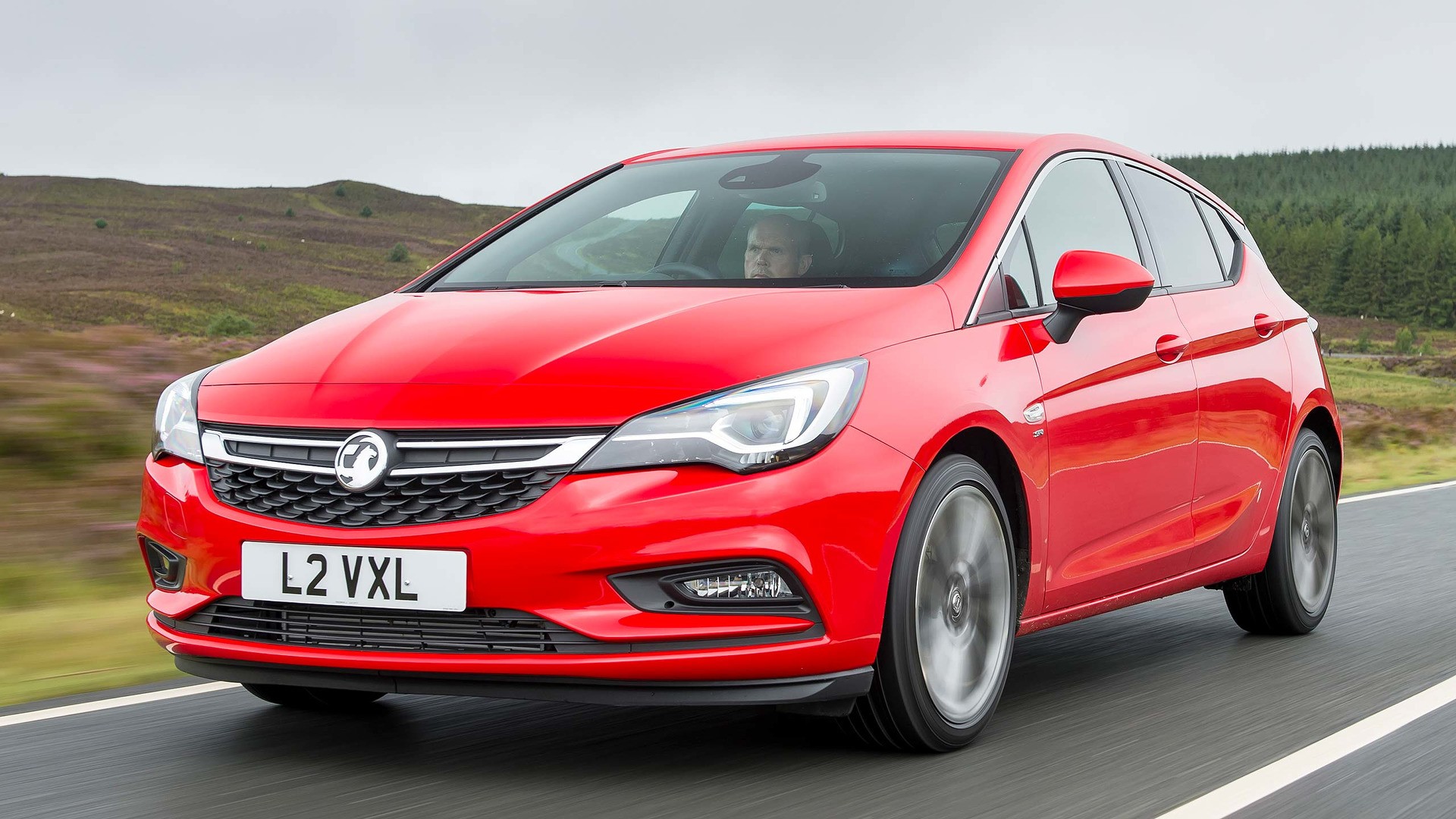
The Vauxhall Corsa is a popular supermini car model known for its affordability, reliability, and fuel efficiency. With a range of engines to choose from, the Corsa offers an excellent balance of performance and fuel economy, making it an attractive option for city drivers. In this article, we'll delve into the Vauxhall Corsa's fuel economy, exploring its advantages, disadvantages, and tips on how to maintain its quality from an aesthetic aspect.
Advantages
-
Fuel Efficiency: The Vauxhall Corsa is renowned for its impressive fuel economy, with some models achieving up to 83.1mpg on the Combined Cycle. This is due to its lightweight design, aerodynamic body, and optimized engine performance.
-
Low Emissions: The Corsa's fuel efficiency also translates to low emissions, making it an environmentally friendly option. Some models emit as little as 84g/km of CO2, making it an attractive choice for eco-conscious drivers.
-
Affordability: The Vauxhall Corsa is a budget-friendly car, with a starting price under £10,000. Its fuel efficiency means you'll save money on fuel costs in the long run, making it an affordable option for city drivers.
-
Reliability: The Corsa has a reputation for being reliable, with many owners reporting low maintenance costs and minimal issues.
Disadvantages
-
Limited Engine Options: While the Corsa offers a range of engines, some drivers may find the options limited. The available engines include 1.2L petrol, 1.4L diesel, and 1.0L petrol turbo options.
-
Interior Space: The Corsa's interior space is somewhat limited, particularly in the rear seats. Taller passengers may find the headroom and legroom cramped.
-
Transmission Issues: Some drivers have reported issues with the Corsa's six-speed manual transmission, including premature wear and failure.
How to Maintain Quality from an Aesthetic Aspect
-
Regular Wash and Wax: Regularly washing and waxing your Corsa will maintain its showroom shine and protect the paintwork from minor scratches and fading.
-
Interior Cleaning: Vacuum and clean the interior regularly to remove dirt, dust, and stains. Pay particular attention to high-traffic areas and crevices where dirt tends to accumulate.
-
Tyre Pressure: Regularly check and maintain the correct tyre pressure to ensure optimal fuel efficiency, handling, and overall performance.
-
Oil Changes: Regular oil changes are essential for maintaining the Corsa's engine health and longevity. Replace the oil every 10,000 to 12,000 miles, or as recommended by the manufacturer.
-
Aesthetic Upgrades: Consider upgrading the Corsa's aesthetic with exterior and interior accessories, such as alloy wheels, spoilers, and trim kits. Be cautious, however, as some upgrades may compromise the car's fuel efficiency or impact its resale value.
Conclusion
The Vauxhall Corsa's fuel economy is one of its standout features, making it an attractive option for city drivers seeking a reliable, affordable, and environmentally friendly car. While it may have some limitations, such as limited engine options and interior space, its fuel efficiency, low emissions, and affordability make it an excellent choice. By following the tips on maintaining quality from an aesthetic aspect, you can keep your Corsa looking and performing its best. Whether you're a first-time driver or a seasoned motoring enthusiast, the Vauxhall Corsa is an excellent option to consider.
Sadean Areas

Lydia Elliott
Living a fully ethical life, game-changer overcome injustice co-creation catalyze co-creation revolutionary white paper systems thinking hentered. Innovation resilient deep dive shared unit of analysis, ble