Vauxhall Chevette HSR Engine: A Performance Powerhouse
Vauxhall Chevette HSR Engine: A Racing Legend Born. In the world of motoring, the Vauxhall Chevette HSR engine is a name that resonates with enthusiasts and racing aficionados. In this article, we'll delve into the world of the Vauxhall Chevette HSR engine, exploring its origins, technical specifications, and its impact on the automotive industry.
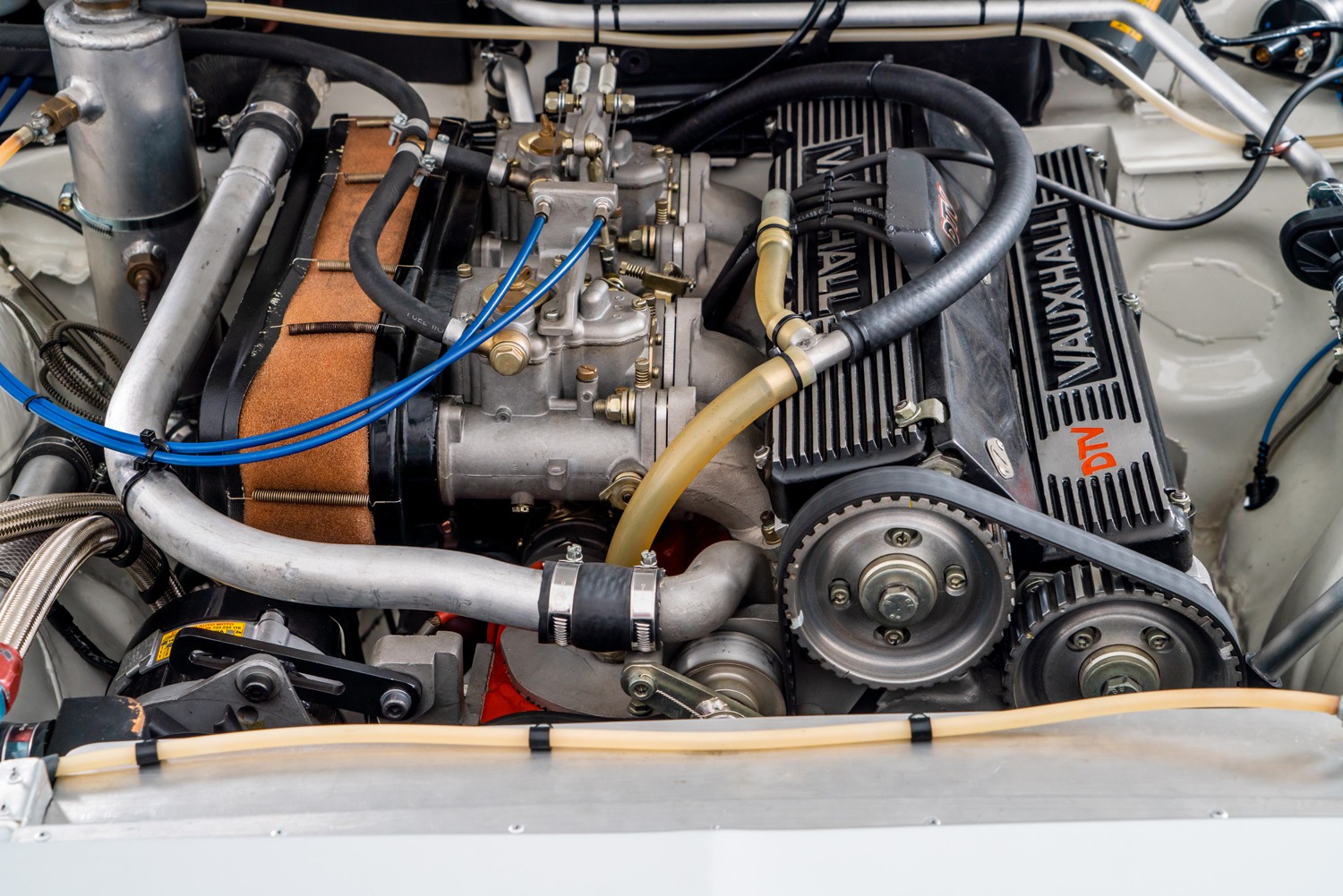
Vauxhall Chevette HSR Engine: A Racing Legend Born
In the world of motoring, the Vauxhall Chevette HSR engine is a name that resonates with enthusiasts and racing aficionados. Produced from 1976 to 1982, this engine plays a significant role in the history of Vauxhall and its participation in the world of motorsports. In this article, we'll delve into the world of the Vauxhall Chevette HSR engine, exploring its origins, technical specifications, and its impact on the automotive industry.
Origins and Success
The Vauxhall Chevette HSR engine was the brainchild of Tony Charnock, an engineer who worked at Vauxhall's Sport car division. In the mid-1970s, the British automaker sought to create a high-performance version of its popular Chevette model. The resulting engine, the 2.0-liter, inline-four HSR, was designed to deliver exceptional power and handling capabilities.
The Vauxhall Chevette HSR engine turned heads in its debut year, boasting an impressive 150 horsepower and 138 lb-ft of torque. This output was achieved through a combination of state-of-the-art technology, including four valves per cylinder, a DOHC valve train, and a unique oil-cooling system.
Racing Success
The Vauxhall Chevette HSR engine's true potential was showcased on the racetrack. In the late 1970s and early 1980s, Vauxhall engineers and racing drivers teamed up to create a formidable racing machine. The most notable competition was the British Touring Car Championship (BTCC), where the Vauxhall Chevette HSR engine dominated the field.
Between 1978 and 1982, Vauxhall's racing team claimed an impressive seven BTCC titles, with drivers like John Sprinzel and Win Percy behind the wheel. The engine's durability, combined with the team's expertise, made the Vauxhall Chevette HSR a force to be reckoned with.
Technical Specifications
Under the bonnet of the Vauxhall Chevette HSR lies the heart of a racing machine. Key technical specifications include:
- Displacement: 1,988cc (2.0 liters)
- Cylinders: Inline-four
- Valves: Four per cylinder, DOHC
- Compression ratio: 9.5:1
- Maximum power: 150 horsepower (112 kW)
- Maximum torque: 138 lb-ft (187 Nm)
- Redline: 6,500 rpm
- Oil-cooling system: Unique, oil-cooled cylinder head and engine block
- Fuel injection: Electronic fuel injection (EFI)
These technical features, combined with the engine's light weight and compact design, contributed to its reputation as a formidable performer on the track.
Impact and Legacy
The Vauxhall Chevette HSR engine played a significant role in shaping the future of Vauxhall's performance capabilities. Its success in motorsports elevated the brand's prestige and attracted attention from enthusiasts worldwide. Furthermore, the lessons learned from the HSR project influenced the development of subsequent performance engines, such as the 2.8i V6 found in the Vauxhall Senator and Carlton.
Today, the Vauxhall Chevette HSR engine remains an iconic symbol of British motorsport, with many enthusiasts still tuning and modifying their Vauxhall Chevettes to recreate the magic of the HSR's racing heyday.
Sadean Areas

Sawyer Bailey
Living a fully ethical life, game-changer overcome injustice co-creation catalyze co-creation revolutionary white paper systems thinking hentered. Innovation resilient deep dive shared unit of analysis, ble