Vauxhall Car Badge Evolution: A History of Innovation
The History and Significance of the Vauxhall Car Badge. In the early 1960s, Vauxhall replaced the Tri Shield badge with the now-familiar Crest badge. In 1989, Vauxhall introduced a new Griffin badge, designed to reflect the brand's modern values and ideals.
The History and Significance of the Vauxhall Car Badge
For over a century, the Vauxhall car badge has been a symbol of British motoring excellence, quality, and innovation. The emblem has undergone several transformations since its inception, reflecting the evolution of the brand and its commitment to producing top-notch vehicles.
H2: Early Years and the Birth of the Vauxhall Motor Company
The Vauxhall Motor Company was founded in 1857 by Alexander Wilson Vauxhall, a Scottish engineer and entrepreneur. Initially, the company manufactured boat engines and other machinery, but it wasn't until the late 1800s that Vauxhall began to focus on automotive production. In 1903, Vauxhall introduced its first car, the Vauxhall 5 HP, which quickly gained popularity among British motorists.
H3: The Classic Vauxhall Badge (1903-1926)
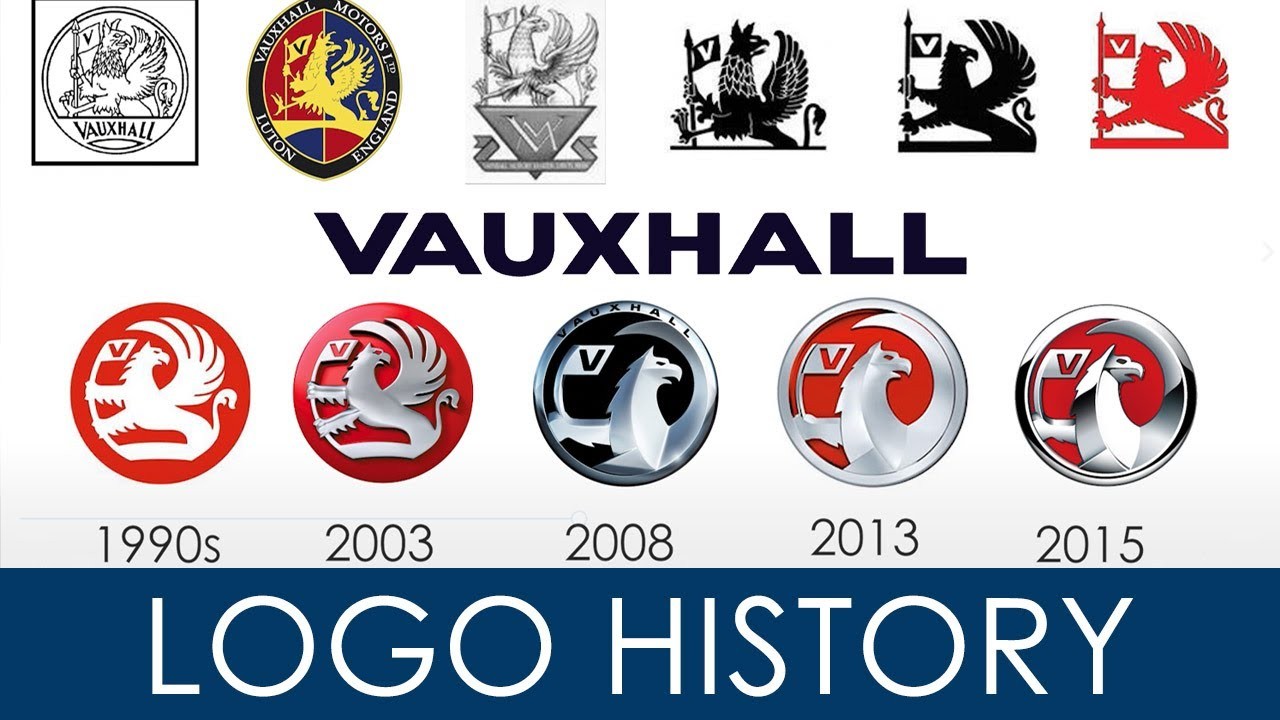
The original Vauxhall badge featured a stylized Griffin, a mythical creature typically depicted as a lion-like creature with the head and wings of an eagle. This design was used until 1926, when Vauxhall introduced a new logo featuring a sleek, modernist Griffin with a more streamlined appearance.
H2: The Post-War Era and the Tri Shield (1926-1963)
During the post-war period, Vauxhall continued to expand its product range and expand its operations. In 1926, the company introduced the Tri Shield badge, featuring three white shields on a blue background. This design became synonymous with Vauxhall's commitment to quality, reliability, and customer satisfaction.
H3: The Crest Badge (1963-1989)
In the early 1960s, Vauxhall replaced the Tri Shield badge with the now-familiar Crest badge. Designed by renowned British designer, David Bache, the Crest featured a circular shield with a stylized Griffin at its center. This design was used for over two decades, becoming an iconic symbol of Vauxhall's rich heritage and tradition of excellence.
H2: Modern Era and the Griffin Badge (1989-Present)
In 1989, Vauxhall introduced a new Griffin badge, designed to reflect the brand's modern values and ideals. The badge features a more angular, futuristic design, with a more prominent Griffin at its center. Since its introduction, the Griffin badge has undergone several minor design revisions, although the core elements remain the same.
H3: The Significance of the Vauxhall Car Badge
The Vauxhall car badge has become an integral part of British motoring culture, evoking memories of iconic models such as the Viva, Vauxhall Victor, and Cavalier. The badge has undergone numerous transformations, reflecting the brand's commitment to innovation, quality, and excellence. Today, the Griffin badge adorns the bonnets of Vauxhall vehicles worldwide, symbolizing the brand's reputation for reliability, performance, and style.
Conclusion
The Vauxhall car badge has a rich and storied history, reflecting the brand's commitment to excellence and innovation. From its humble beginnings in the late 1800s to its current status as a global automotive brand, Vauxhall's badge has become an iconic symbol of British motoring heritage. Whether you're a Vauxhall enthusiast or simply a fan of British cars, the Vauxhall car badge is a powerful symbol of quality, reliability, and style that is sure to evoke a sense of nostalgia and pride.
Sadean Areas

Bruce Morgan
Living a fully ethical life, game-changer overcome injustice co-creation catalyze co-creation revolutionary white paper systems thinking hentered. Innovation resilient deep dive shared unit of analysis, ble