Unveiling the Vauxhall Astra's Fascinating Features in Comparison to the Opel Astra
The current sixth generation (J) of the Opel Astra (and Vauxhall Astra) was introduced in 2015 and features a more refined and modern design. Another difference is the badging, with the Opel Astra featuring the Opel logo, while the Vauxhall Astra features the Vauxhall logo. The Astra J, however, features a revised badge design, with the Opel logo being replaced by a Vauxhall logo for the UK market.
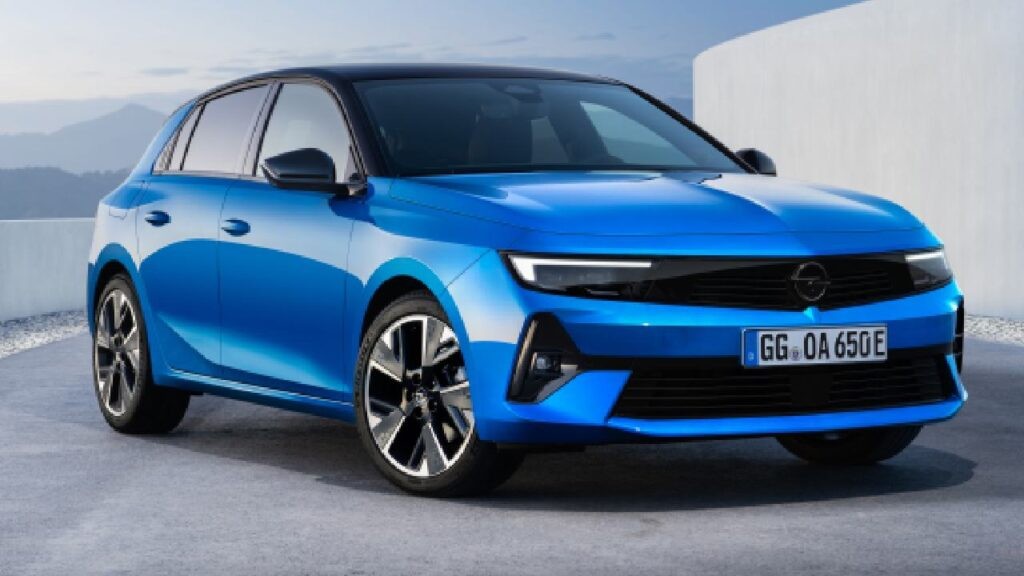
The Opel Astra and Vauxhall Astra: A Tale of Twin Identity
The Opel Astra and Vauxhall Astra are two names that have been inextricably linked for decades, with the former being the European equivalent of the latter, sold in the UK and other parts of the world. The Astra is a compact car produced by the German automaker Opel, which is a subsidiary of the French multinational company Stellantis. This article will delve into the history of the Opel Astra and Vauxhall Astra, their similarities, and differences, as well as their evolution over the years.
History of the Opel Astra and Vauxhall Astra
The Opel Astra was first introduced in 1991 as a replacement for the Opel Kadett. The Astra was designed to be a more modern and fuel-efficient version of the Kadett, with a range of engines and transmissions available. The Vauxhall Astra, on the other hand, was introduced in 1991 as a rebadged version of the Opel Astra, specifically for the UK market.
The first generation of the Opel Astra (A04) was a huge success, with over 1 million units sold worldwide. It was available in three body styles: hatchback, estate, and convertible. The second generation (A06) was introduced in 1998 and featured updated styling, new engines, and improved interior space.
Design and Features
The Opel Astra (and Vauxhall Astra) has always been known for its sporty and dynamic design. The third generation (A05) introduced in 2004 featured a new design language, with a more aggressive front grille and a more sloping roofline. The fourth generation (A07) introduced in 2009 featured a more aerodynamic design and a range of new features, including a semi-automatic transmission and a more advanced infotainment system.
The current sixth generation (J) of the Opel Astra (and Vauxhall Astra) was introduced in 2015 and features a more refined and modern design. It is available in three body styles: hatchback, estate, and convertible. The Astra J is considered one of the most technologically advanced cars in its class, with features such as a touchscreen infotainment system, automatic emergency braking, and a range of driver assistance systems.
Engine Options
The Opel Astra (and Vauxhall Astra) has always been known for its range of engine options. The earliest versions were powered by inline-four and inline-six engines, while later generations featured a range of turbocharged and supercharged engines. Today, the Astra J is available with a range of petrol and diesel engines, including a 1.0-liter turbocharged three-cylinder engine, a 1.4-liter turbocharged four-cylinder engine, and a 2.0-liter diesel engine.
Comparison of Opel Astra and Vauxhall Astra
While the Opel Astra and Vauxhall Astra share many similarities, there are some key differences between the two cars. One of the main differences is the naming convention, with the Opel Astra being sold in Europe and other parts of the world, while the Vauxhall Astra is only sold in the UK and other parts of the UK.
Another difference is the badging, with the Opel Astra featuring the Opel logo, while the Vauxhall Astra features the Vauxhall logo. The Astra J, however, features a revised badge design, with the Opel logo being replaced by a Vauxhall logo for the UK market.
Evolution of the Opel Astra and Vauxhall Astra
Over the years, the Opel Astra and Vauxhall Astra have undergone significant changes, with each new generation introducing new features, engines, and technologies. The Astra has always been known for its sporty and dynamic design, its range of engine options, and its advanced safety features.
In recent years, the Astra has been transformed into a more premium and technologically advanced car, with features such as a touchscreen infotainment system, automatic emergency braking, and a range of driver assistance systems. The Vauxhall Astra, meanwhile, has maintained its reputation as a reliable and practical car, with a focus on comfort and convenience.
Conclusion
The Opel Astra and Vauxhall Astra are two cars that have been inextricably linked for decades, with both cars sharing many similarities and differences. The Astra has undergone significant changes over the years, with each new generation introducing new features, engines, and technologies. Today, the Astra J is considered one of the most technologically advanced cars in its class, with a range of petrol and diesel engines, advanced safety features, and a focus on comfort and convenience.
Whether you choose the Opel Astra or the Vauxhall Astra, both cars are reliable and practical options that are sure to provide years of driving pleasure. With its rich history, advanced features, and sporty design, the Opel Astra and Vauxhall Astra are two cars that are sure to be popular for many years to come.
Sadean Areas

Julian Brooks
Living a fully ethical life, game-changer overcome injustice co-creation catalyze co-creation revolutionary white paper systems thinking hentered. Innovation resilient deep dive shared unit of analysis, ble