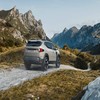
Dacia Duster Weight: How Does it Compare to the Competition?
However, its weight plays a crucial role in its performance, fuel efficiency, and handling capabilities. The Dacia Duster's kerb weight ranges from 1,295 kg to 1,345 kg, depending on the variant and equipped features. The Dacia Duster's lightweight construction is a key factor in its appeal, offering improved fuel efficiency, agility, and performance
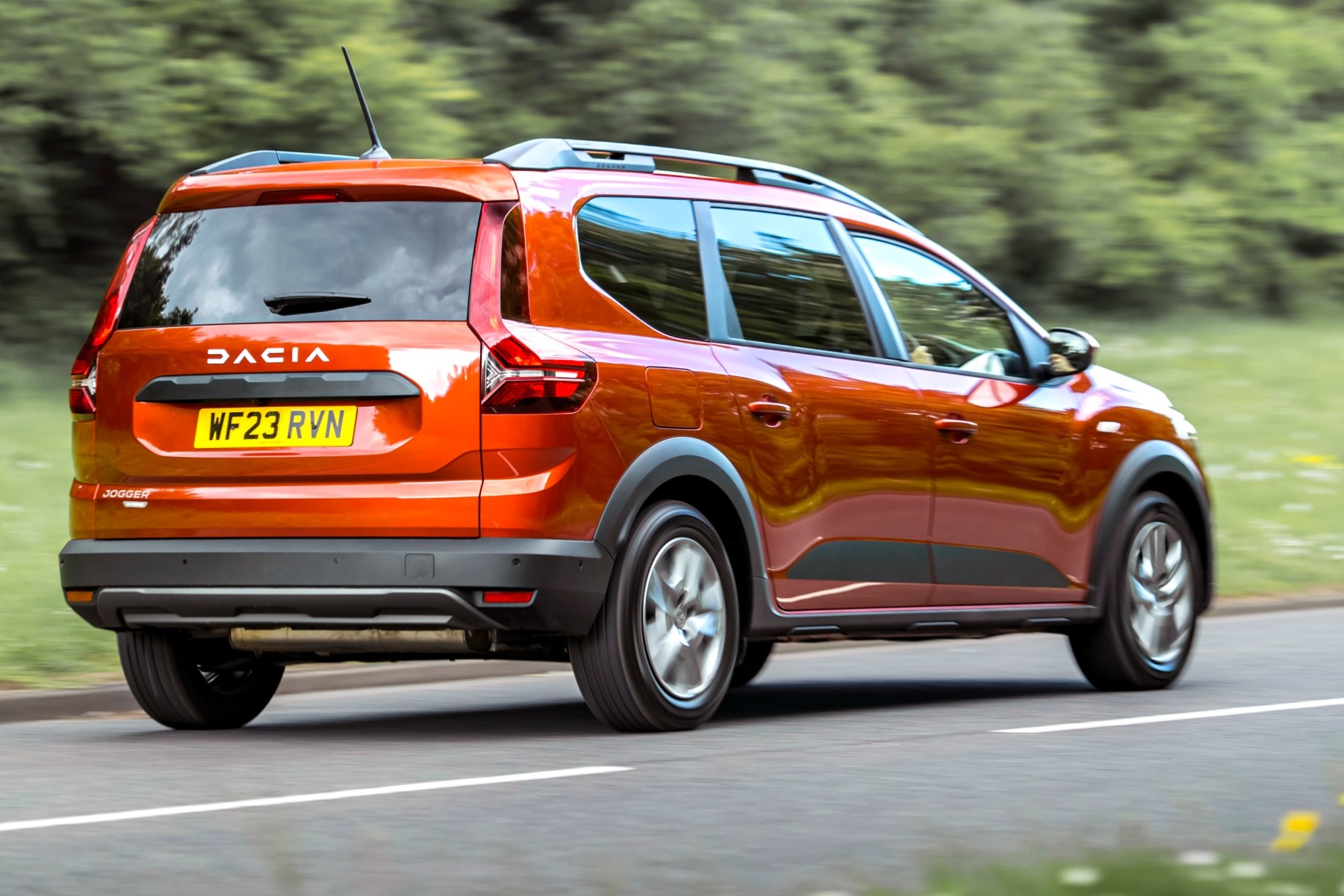
Dacia Duster Weight: How Does it Compare to the Competition?
Introduction
The Dacia Duster has become a popular choice amongst budget-conscious drivers thanks to its practicality, affordability, and spacious interior. However, its weight plays a crucial role in its performance, fuel efficiency, and handling capabilities. In this article, we delve into the Dacia Duster weight and compare it to other popular SUVs in the segment to provide a comprehensive understanding of its positioning in the market.
Dacia Duster Weight and Specifications
The Dacia Duster's kerb weight ranges from 1,295 kg to 1,345 kg, depending on the variant and equipped features. This places it among the lighter options in its class, offering improved fuel efficiency and agility.
Engine and Powertrain:
- 1.6L petrol engine with 105 bhp and 150 Nm of torque
- 1.5L diesel engine with 90 bhp and 240 Nm of torque
- 1.3L LPG engine with 95 bhp and 127 Nm of torque
Comparative Weight Analysis
Dacia Duster vs. Renault Captur:
- The Captur is slightly heavier, with a kerb weight of 1,370-1,405 kg.
- While slightly heavier, the Captur offers more cargo space and engine options.
Dacia Duster vs. Kia Seltos:
- The Seltos is slightly lighter than the Duster, with a kerb weight of 1,340-1,375 kg.
- Both vehicles offer similar engine options and fuel efficiency.
Dacia Duster vs. Hyundai Kona:
- The Kona is the heaviest in this comparison, with a kerb weight of 1,385-1,435 kg.
- Despite the weight difference, the Kona offers more advanced features and a wider range of engine options.
Impact of Weight on Performance
The Dacia Duster's lightweight design offers several advantages:
- Improved fuel efficiency: Lower weight translates to better fuel consumption.
- Enhanced agility: A lighter vehicle experiences less weight transfer during cornering, resulting in better handling.
- Faster acceleration and speed: Lightweight vehicles accelerate faster and reach higher speeds with greater ease.
Conclusion
The Dacia Duster's lightweight construction is a key factor in its appeal, offering improved fuel efficiency, agility, and performance. Compared to its competitors, the Duster offers a balanced combination of value, practicality, and driving dynamics.
Sadean Areas

Sabrina Perkins
Living a fully ethical life, game-changer overcome injustice co-creation catalyze co-creation revolutionary white paper systems thinking hentered. Innovation resilient deep dive shared unit of analysis, ble